Retina Evaluation in Hyderabad | Sarojana Eye Hospital
Advanced retinal imaging and evaluation for macular and retinal conditions
What is Retina Evaluation?
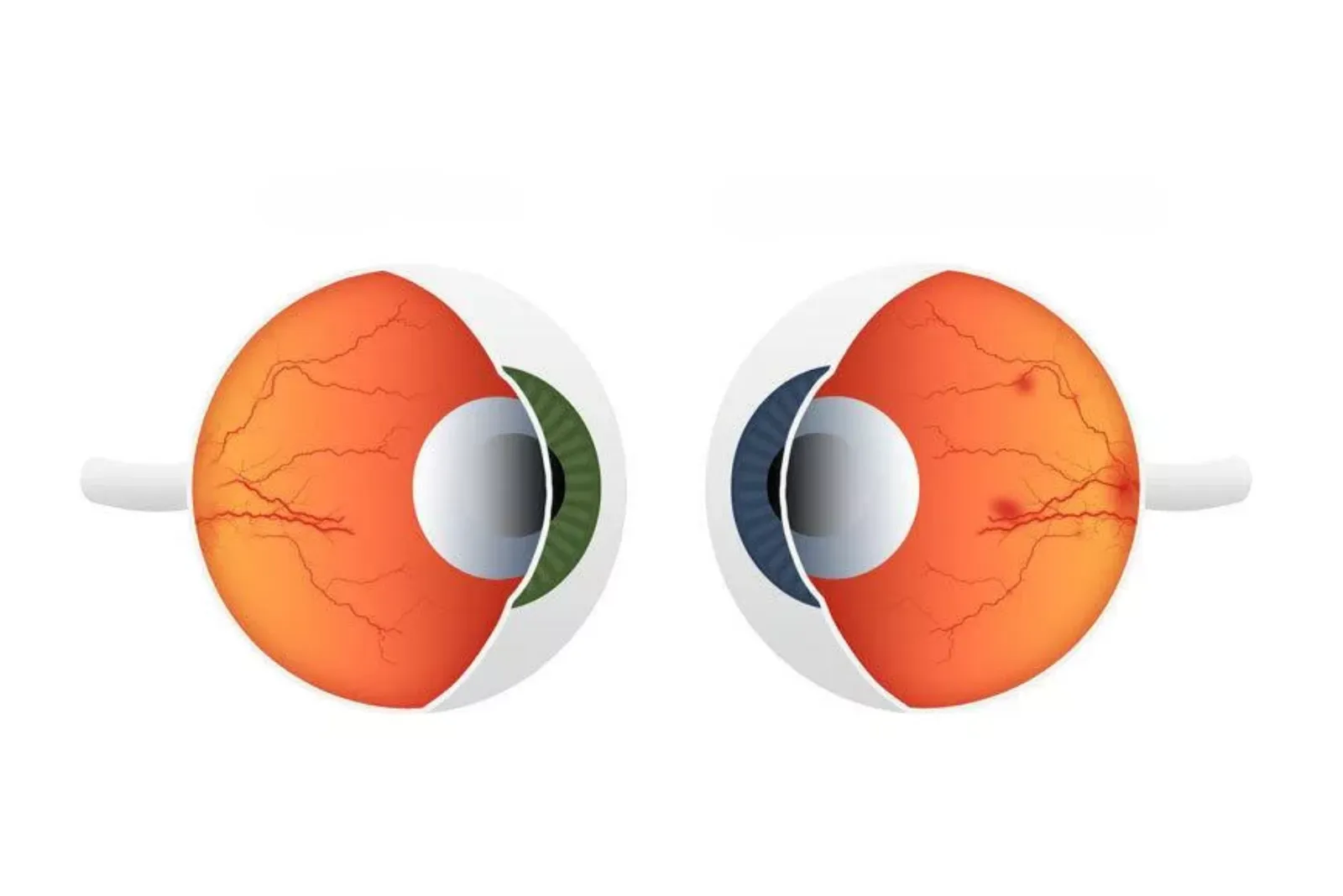
Retina evaluation examines the light-sensitive tissue at the back of the eye for macular, diabetic, and other retinal conditions. Sarojana Eye Hospital provides careful dilated retina assessment in Hasthinapuram to detect problems early and guide timely care. The retina converts light into signals the brain interprets as vision—damage to this tissue can threaten central or peripheral sight rapidly. Common conditions include diabetic retinopathy, age-related macular degeneration, retinal tears, and vitreous floaters. Many retinal problems begin without pain, making scheduled screening essential for diabetics and older adults. During evaluation, dilating drops allow detailed examination of the optic nerve, macula, and peripheral retina under bright illumination. Patients reporting sudden floaters, flashes, or a curtain-like shadow receive urgent assessment to exclude retinal detachment. For Hyderabad residents near Nagarjuna Sagar Road, our integrated pathway connects screening with diabetic eye care, glaucoma monitoring, and referral for advanced retinal treatment when required.
Why is Retina Evaluation Important?
Retinal emergencies need urgent care
Sudden floaters, flashes, or vision loss may signal retinal tear or detachment requiring immediate treatment.
Diabetic retinopathy is a leading cause of blindness
Regular retina screening detects damage before symptoms appear.
Macular disease affects central vision
Early AMD detection allows monitoring and treatment to preserve reading and facial recognition.
Integrated care under one roof
Sarojana Eye Hospital links retina evaluation with diabetic, glaucoma, and surgical pathways.
How is Retina Evaluation Performed at Sarojana Eye Hospital?
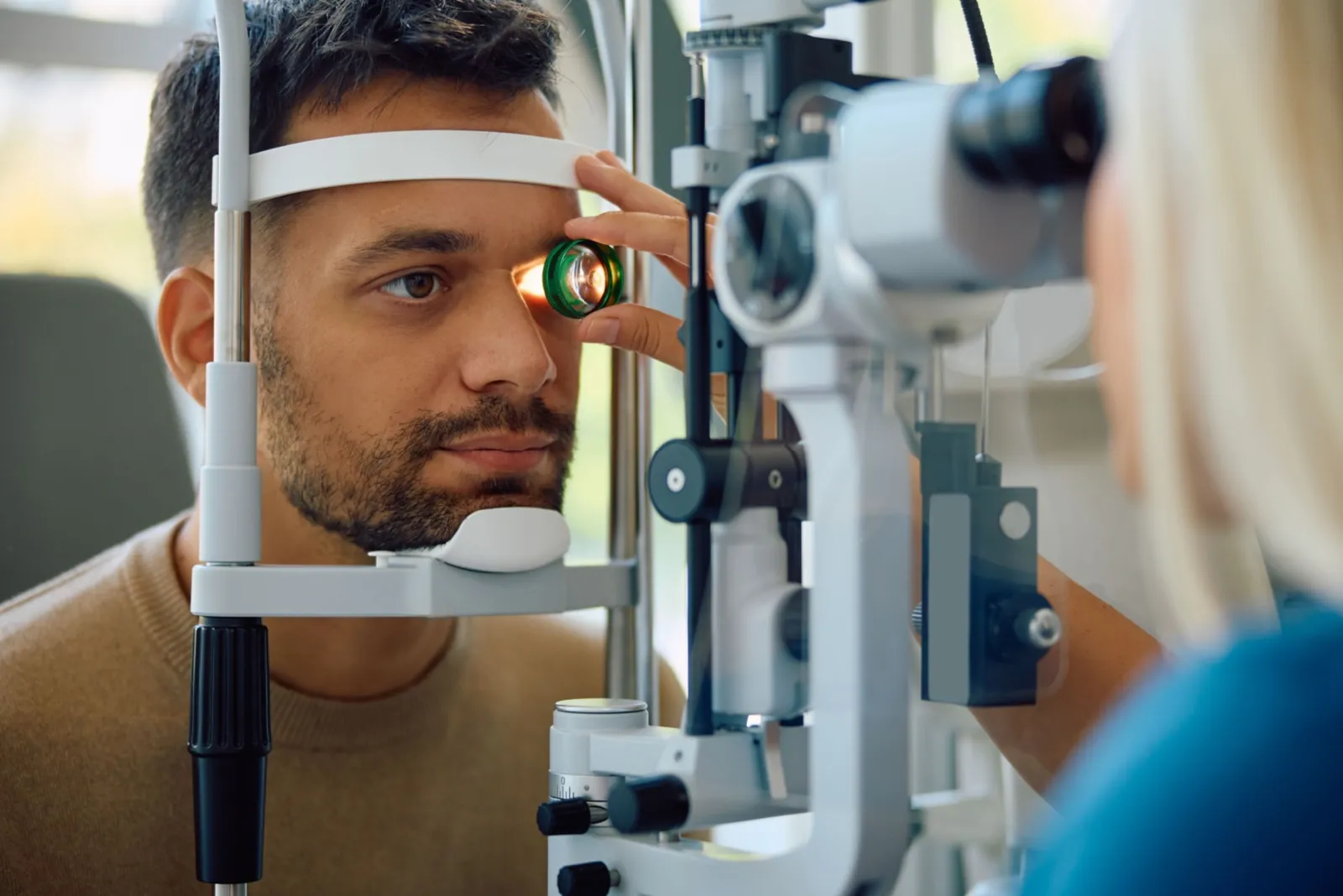
Dilated fundus examination
Dilation drops widen the pupil for a clear view of the retina, optic nerve, and blood vessels.
Assessment of macula and peripheral retina
The central macula and outer retina are examined for degeneration, swelling, tears, or detachment.
Risk counselling for diabetes and age-related changes
Personalised advice on screening intervals and lifestyle factors is provided based on findings.
Referral pathway for advanced retinal procedures when needed
Laser, injection, or surgical referral is arranged for conditions beyond routine outpatient care.
Who Should Consider Retina Evaluation?
Ideal candidates
- Patients with floaters, flashes, or curtain-like vision loss
- Diabetics and older adults
- Anyone advised retina screening by their physician
Who should avoid / caution
- Ignoring sudden new floaters or flashes without urgent evaluation
- Driving immediately after dilation before near vision clears
Recovery & Aftercare
Day 1
Dilation causes light sensitivity and near blur for several hours—bring sunglasses and avoid driving.
Week 1
If treatment such as laser is performed, specific aftercare instructions apply.
Month 1
Follow-up monitoring confirms stability or treatment response for ongoing retinal conditions.