Comprehensive Eye Check Up in Hyderabad | Sarojana Eye Hospital
Complete 360° eye health assessment covering all aspects of ocular function
What is Comprehensive Eye Check Up?
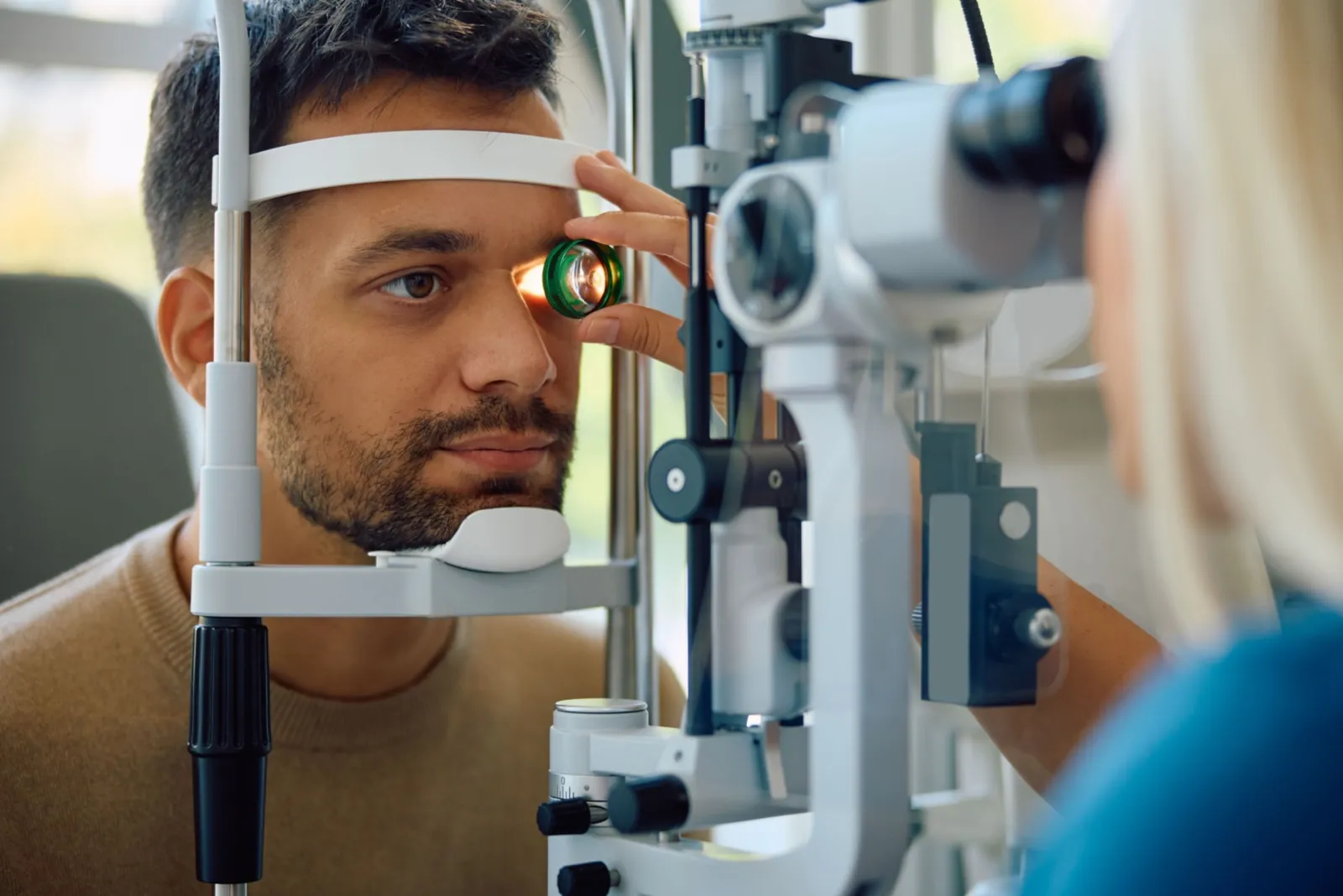
A comprehensive eye check up is a complete 360° assessment of vision and ocular health—covering refraction, eye pressure, anterior segment, and retina evaluation when indicated. At Sarojana Eye Hospital, Hasthinapuram, this checkup helps detect cataracts, glaucoma, diabetic eye disease, and refractive errors early, when treatment is most effective. Unlike a quick vision screening, this examination evaluates both how well you see and the health of the structures inside your eye. Our ophthalmologists use slit-lamp microscopy, tonometry, and dilated fundus examination where needed to build a complete picture of your ocular status. For Hyderabad patients near Nagarjuna Sagar Road, this is the foundation of preventive eye care—whether you need updated spectacles, are managing diabetes, or simply want peace of mind about your sight. Results are explained clearly with a personalised plan for follow-up, treatment, or lifestyle adjustments.
Why is Comprehensive Eye Check Up Important?
Silent diseases need early detection
Glaucoma and diabetic retinopathy often cause no symptoms until vision is permanently affected.
Accurate prescriptions improve daily life
Precise refraction reduces eye strain, headaches, and accidents from uncorrected blur.
Baseline records for future comparison
Regular exams track changes over time, helping doctors intervene before problems worsen.
One-stop diagnostic care
Sarojana Eye Hospital in Hasthinapuram offers comprehensive testing without unnecessary referrals.
How is Comprehensive Eye Check Up Performed at Sarojana Eye Hospital?
Vision testing and precise refraction
We measure distance and near vision and determine your exact spectacle or contact lens power.
Slit-lamp examination of the front of the eye
The cornea, lens, and anterior chamber are examined under magnification for signs of disease.
Intraocular pressure measurement
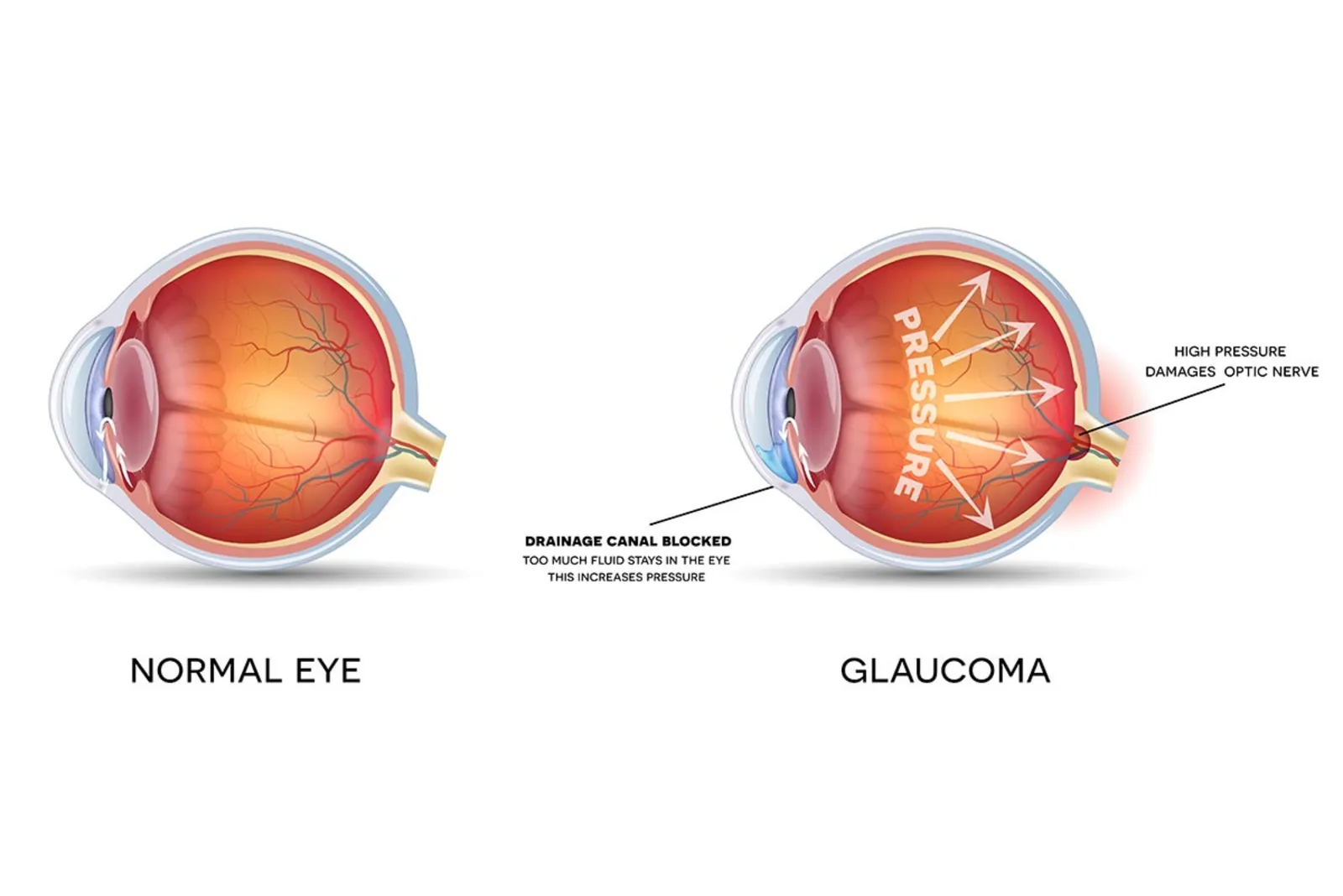
Eye pressure is checked to screen for glaucoma—a leading cause of preventable blindness.
Retina screening as clinically indicated
Dilated examination of the optic nerve and retina detects diabetic, macular, and retinal conditions.
Clear explanation of findings and next steps
Your doctor discusses results and recommends treatment, follow-up timing, or further tests.
Who Should Consider Comprehensive Eye Check Up?
Ideal candidates
- Adults overdue for an annual eye exam
- Patients with diabetes, hypertension, or family glaucoma history
- Anyone with blurred vision, floaters, or eye discomfort
- People seeking an eye hospital near Hasthinapuram Central
Who should avoid / caution
- Skipping follow-up when advised for high-risk conditions such as diabetes or glaucoma
Recovery & Aftercare
Day 1
Resume normal activities immediately unless dilation was performed—then avoid driving until near vision clears.
Week 1
New spectacles, if prescribed, should be worn consistently; report any persistent blur or discomfort.
Month 1
Follow-up visits for abnormal findings or treatment initiation are scheduled as recommended.